

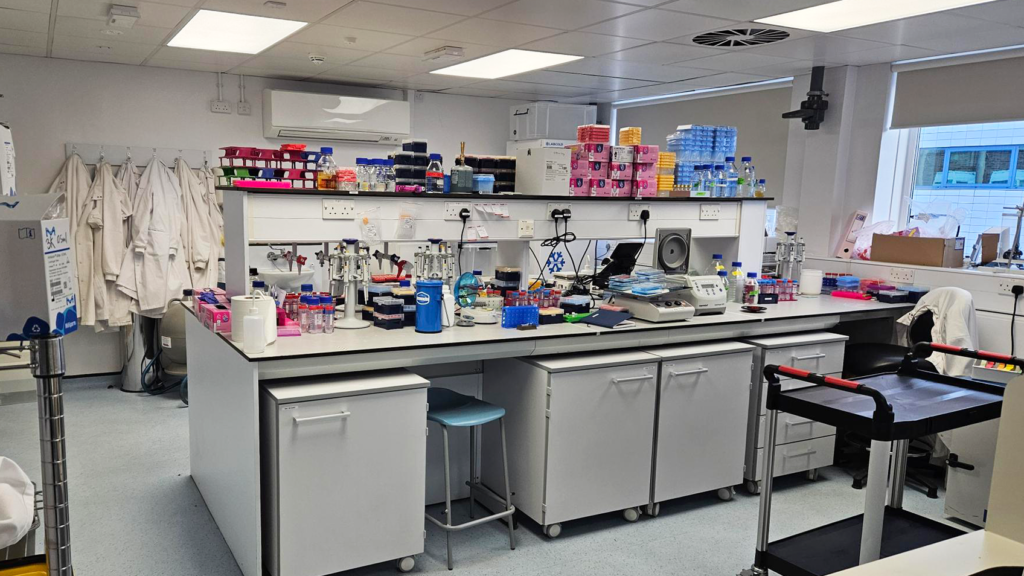
Lab Refurbishment Launch Celebrated on 4th September
Lab CG207 in the Chemistry Building
Lab CG207 in the Chemistry Building
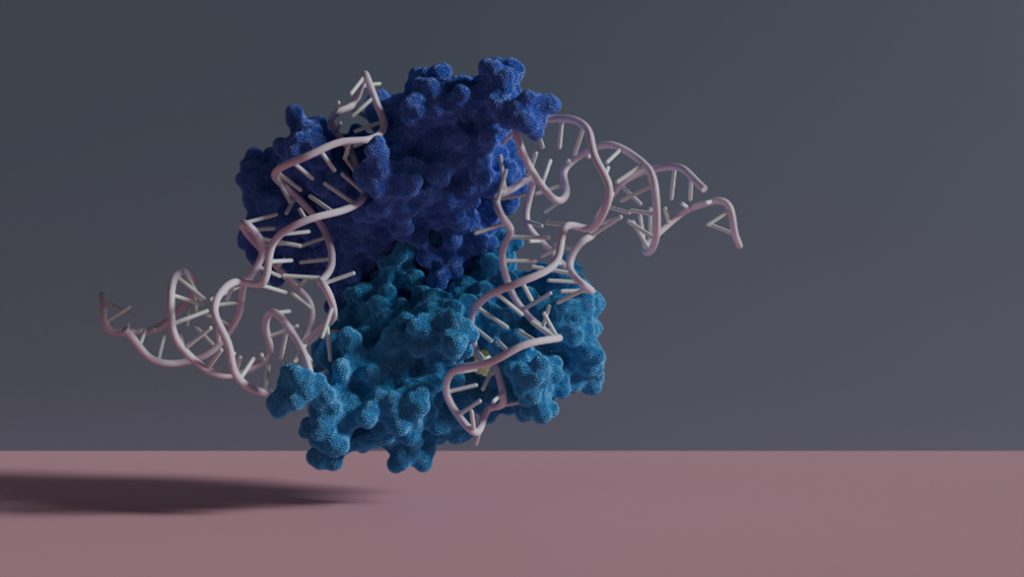
Figure caption Lin and Kleemann et al. explore the molecular mechanisms that drive the specificity of human PUS3 and show that the formation of its homodimer is ultimately necessary for the specific modification of tRNAs. (Artwork by Ting-Yu Lin) During my previous work at Malopolska Centrum Biotechnology in Jagiellonian University (Poland), I worked with Dr.…
Read more
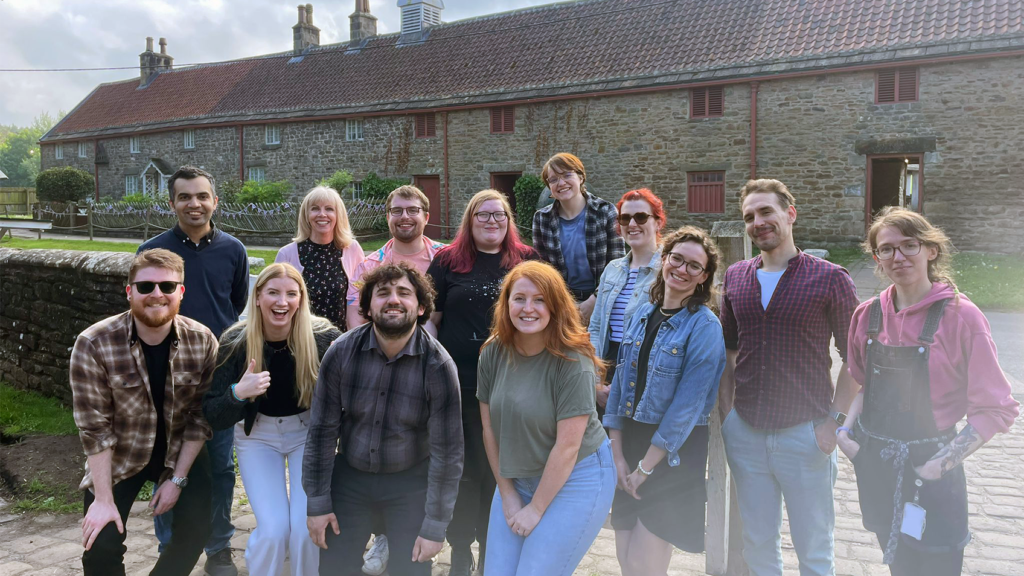
Durham, UK — Our dynamic and innovative research group, recently concluded a successful two-day team building event. The event aimed to foster collaboration, celebrate achievements, and strengthen bonds among team members. Day 1: On-Campus Presentations and Team Building On the first day, Lab members gathered on campus for a series of engaging presentations. Diverse team members…
Read more

12 & 13 September 2024 Durham UniversityMain Lecture Theatre (MCS0001)Mathematics Building About the Workshop We are holding our fifth bi-annual BIONANO Meeting, but this time in the United Kingdom. This follows the previous highly successful meeting held in Germany in 2022. This year we will be meeting to discuss new ideas and share our progress…
Read more

Tokyo, Japan – Jonathan embarked on a whirlwind week-long journey in Japan. His mission? To attend symposiums, deliver seminars and enjoy the Japanese culture once again! Travelling from Tokyo to Nara was the first stretch of his journey attending the pre- ISBC2924 symposium being held at the Todaiji Culture Centre, Nara. This event was held…
Read more
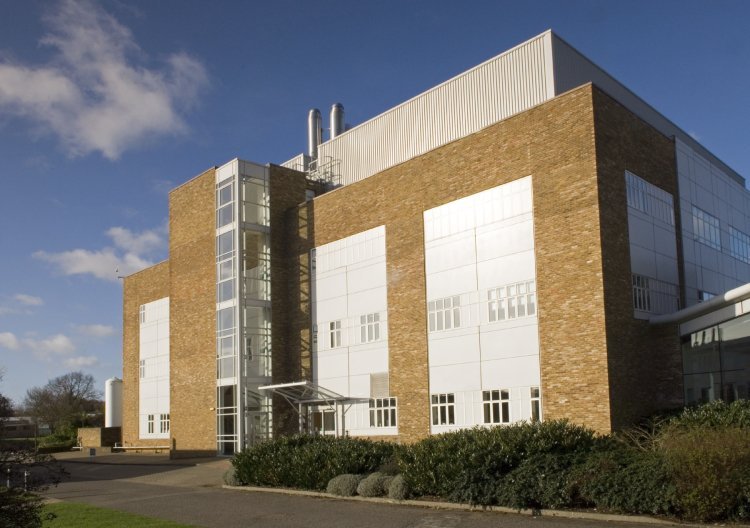
Jonathon Liston joined colleagues in Norwich during the second week of April to express and purify a series of mutants of the enzyme gyrase in part of an ongoing collaboration between the CPBM and the Ghilarov Lab at the John Innes Centre. The proteins are now with us in Durham for assays to be completed…
Read more
Our OPUS LAP project, effect of nanoscale, three-dimensional arrangement of proteins on biological and Therapeutic activity (FIT) is made possible thanks to funding from NCN, the National Science Centre, Poland. BackgroundArtificial nanosized cages made from biological molecules have a great deal of promise in a wide range of applications notably in vaccines, where they can…
Read more
NCN Maestro Project: Connecting Artificial Protein Cages What is it about? In this project we are interested in developing novel methods connecting together the proteins that make protein cages in the understanding that this in turn will affect the properties of the resulting cages in useful ways. Why is it important? Biological nano-materials, given their…
Read more
Test post Poland
Test post Poland