Bionano 2026: Bringing together leading experts in bionanotech research
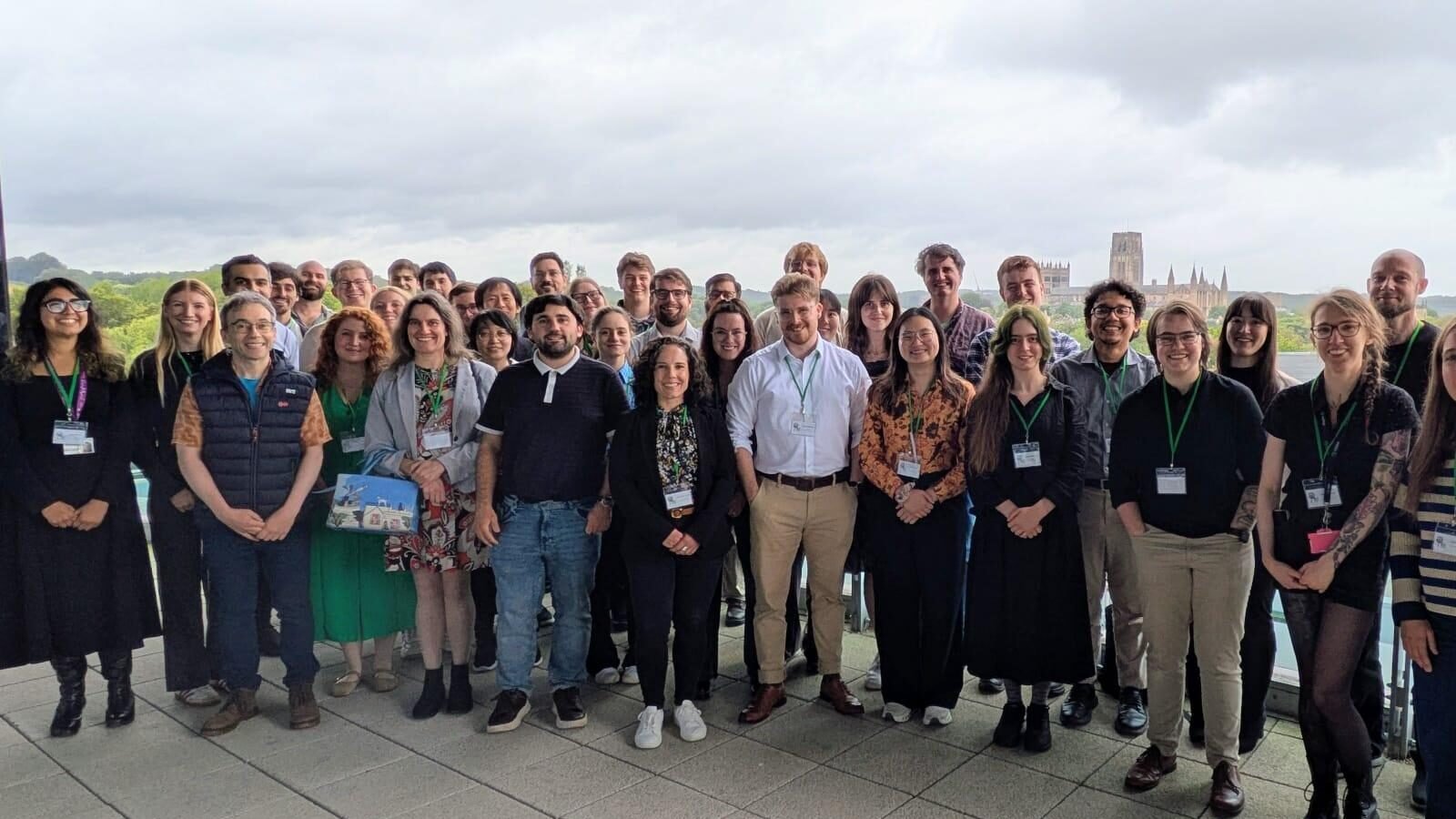
The Centre for Programmable Biological Matter at Durham University played host to Bionano 2026 on 1st and 2nd September. The conference was a significant event for researchers working in the field of bionanotech, and its various applications. The theme for this year’s Bionano conference was ‘Designing and building functional nanostructures from biological molecules and closely related tools.
The conference commenced with a warm welcome from Jonathan Heddle, followed by a keynote talk delivered by Mauri Kostiainen from Aalto University in Finland.
Over two days, the conference featured 14 distinguished speakers from various countries, each contributing to the discussion on the latest advancements in designing, making, and programming nanoscale objects built from biological material.
To ensure comprehensive participation, parallel sessions were avoided for the main programme allowing attendees to attend and take in all of the presentations. Each speaker was allotted 20 minutes for their talk, followed by a 10-minute session for questions and further discussion. Each of the 5 sessions of the conference was expertly chaired by a post-doctoral research associate at the CPBM.
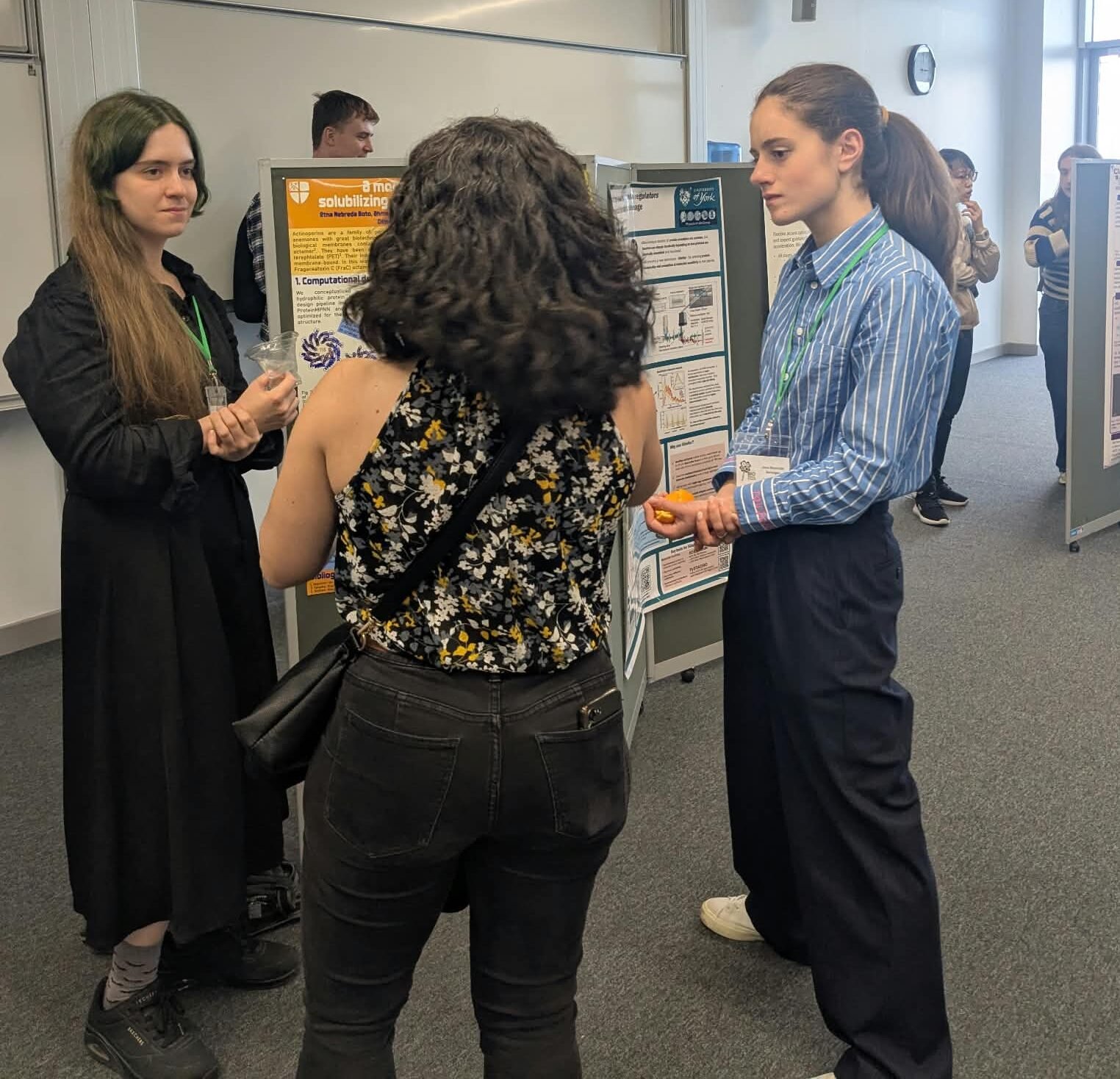
This year’s conference also focused on giving early-career researchers attending the conference a chance to be involved, to learn and to present their own research projects. During lunch and coffee breaks, and ahead of the conference dinner, PhD students attending the conference presented posters on their research. The rest of the attendees offered invaluable feedback on the visual layout of the posters, the presentations delivered, and the results being put forward by early career researchers. This feedback was collected, and the winner of the poster presentation was announced at the end of the conference. Congratulations to Ella Sames, a PhD student from Newcastle University, who was awarded the prize!
Alongside the poster presentations and prize, Dr Jonathon Liston, a post-doctoral research associate at the CPBM, delivered an introductory workshop on AI tools for protein design. The workshop was aimed at anyone who wanted to learn how to use some of the tools CPBM researchers make use of regularly, and it was well attended by both early-career researchers and speakers alike.
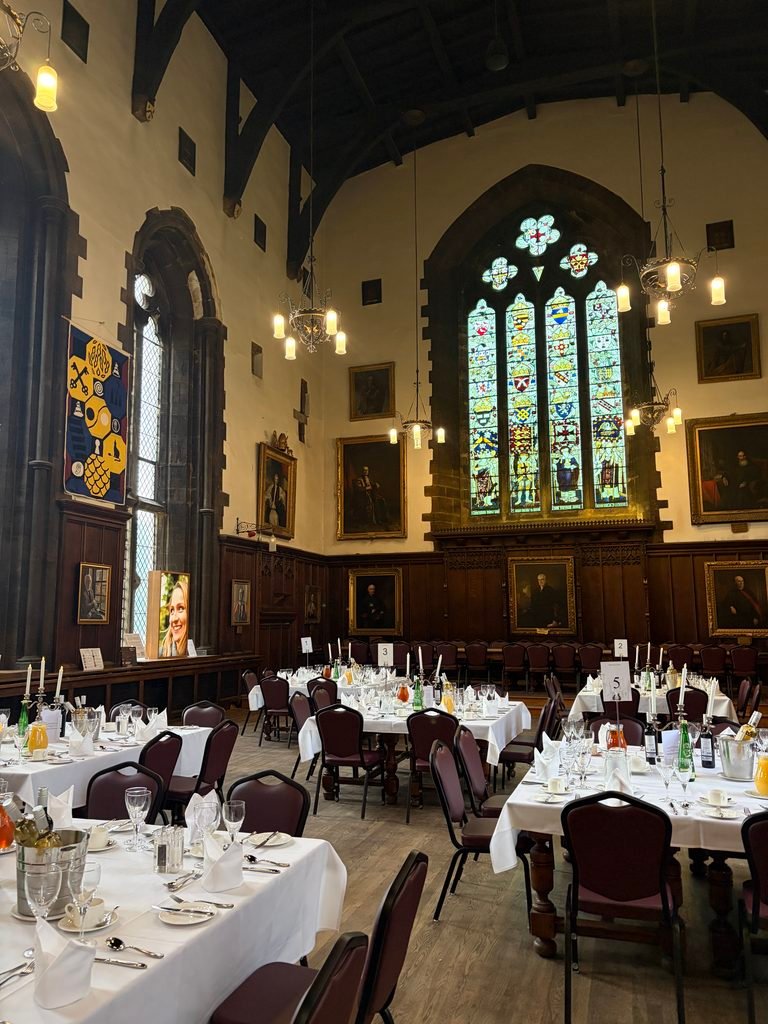
A highlight of the conference was the banquet dinner held at the Great Hall in Castle College on the first night of the conference, where attendees were served a three-course meal in a historic venue. This gathering (as well as the trip to the pub for a pre-dinner drink that preceded it) provided an excellent opportunity for deeper discussions on research and potential future collaboration among the participants.
The CPBM team extends our gratitude to the following speakers for their invaluable contributions:
- Adam Bentham – Durham University, UK
- Antonina Naskalska – Jagiellonian University, Poland
- Danny Wilbie – Ludwig Maximilian University, Munich, Germany
- Jessica Cross – University of Bristol, UK
- Aakash Basu – Durham University, UK
- Thomas Bradford – Durham University, UK
- Wooram Park – Sungkyunkwan University
- Yoosoo Yang – Sungkyunkwan University
- Jonathan Heddle – Durham University, UK
- Jeff Gorman – Durham University, UK
- Sara García-Linares – Complutense University, Madrid, Spain
- Shigehiro Yoshimura – Kyushu University, Japan
- Katherine Dunn – University of Edinburgh, UK
- Roger Rubio Sanchez – University of Cambridge, UK
The success of Bionano 2026 was made possible through the generous support of The Leverhulme Trust. We also thank the Biophysical Sciences Institute (BSI) at Durham University for their significant contribution, as well as Durham University’s International Partnerships team.
Feedback from the speakers was overwhelmingly positive, with many expressing a desire for another event to facilitate more in-depth discussions and collaborations. This feedback highlights the importance of conferences in advancing research and fostering international cooperation.
We look forward to future Bionano events that will continue to build on this foundation of shared knowledge and collaboration.